
Archive / NO.014 · Rizha · Apple Watch · Voice Notes · Local AI
AI Wearables Are Still Exploring. I Started by Logging Days on My Watch
Rizha on Apple Watch starts a note with a double clench and saves it with another. Speech is transcribed offline on the iPhone. Local small-model cleanup is still next, not shipped.
CONTENTS 05
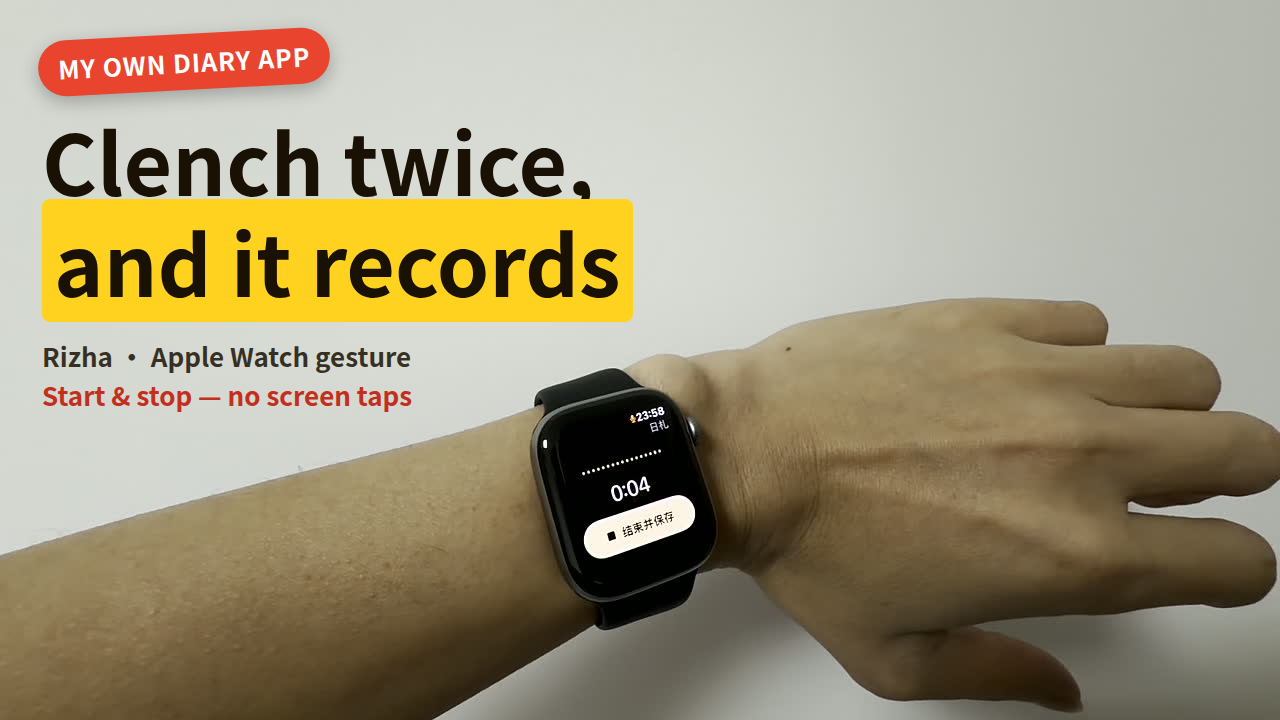
In the last essay I wrote about building Rizha with AI. Lately I added an Apple Watch side, for one small thing: when something is worth noting, I want to raise my wrist and say it.
A thought on a walk. A feeling between meetings. A meal that was actually good. None of that needs a long phone essay. If I tell myself “I’ll write it later,” I usually forget.
I want Rizha to keep those moments.
Make recording easy enough to happen
The news that OpenAI is working with Jony Ive on AI hardware made me ask: what would make me actually use a wearable AI device?[1]
For me, one concrete need is fast notes. Say a few lines. Don’t stare at a screen the whole time.
I already wear an Apple Watch, so I tried that first. The watch side of Rizha can record and browse entries. Recording is transcribed offline on the iPhone; editing stays on the phone.
I want as little on the watch as possible. Start recording easily. Know it saved when I’m done. That’s enough. One extra button, one extra confirm, and people stop writing.
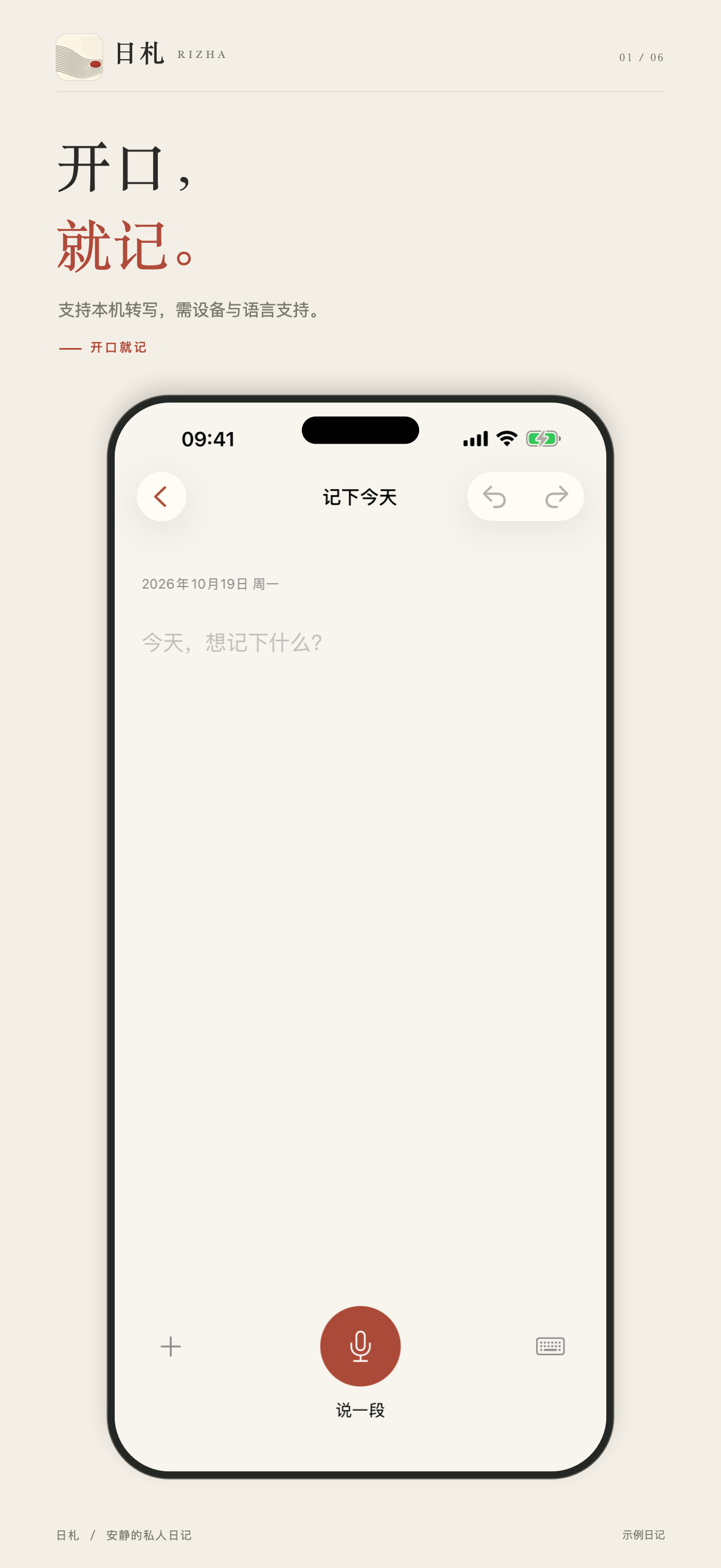
Clench twice — no taps on the screen
Raising the wrist is only half of it. The better part is not needing to tap the screen at all.
On the watch, Rizha can start with a double clench, and stop and save with another double clench. Raise the wrist, clench twice, and you’re recording. Finish speaking, clench twice again, and it’s saved to the phone. No phone out of the pocket. No hunting for a button on the dial.
Here is my own device demo.
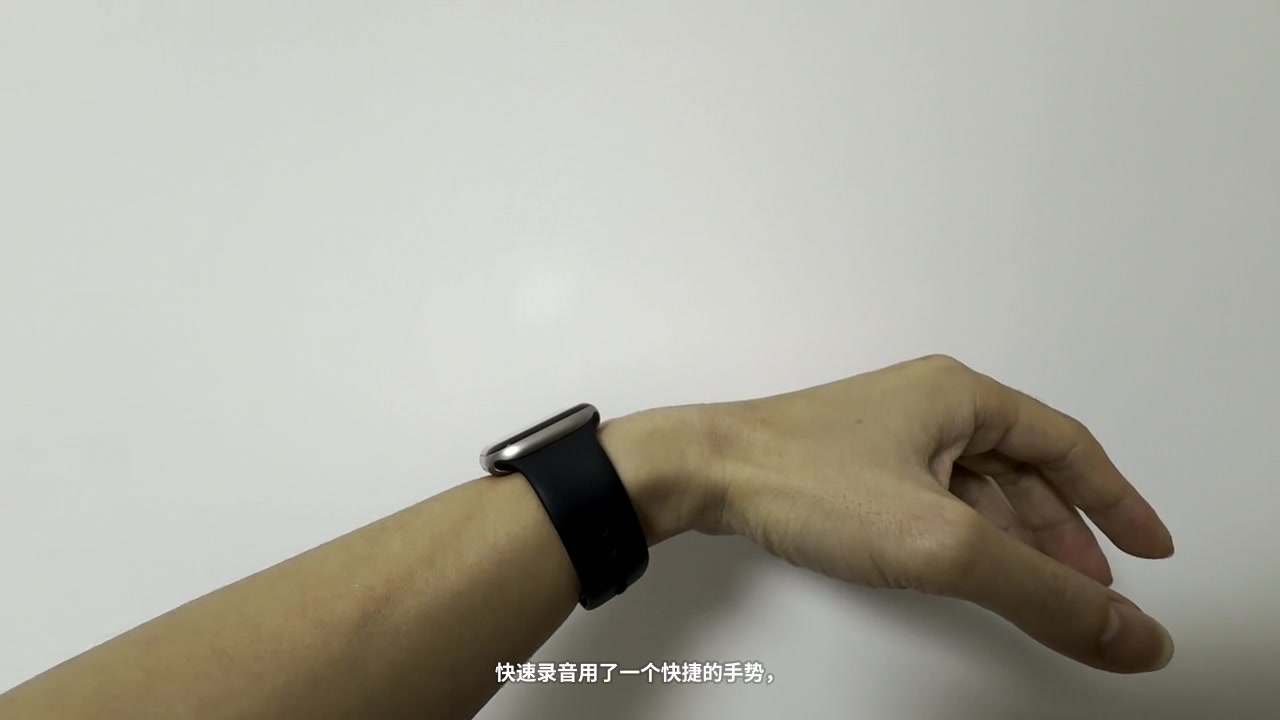
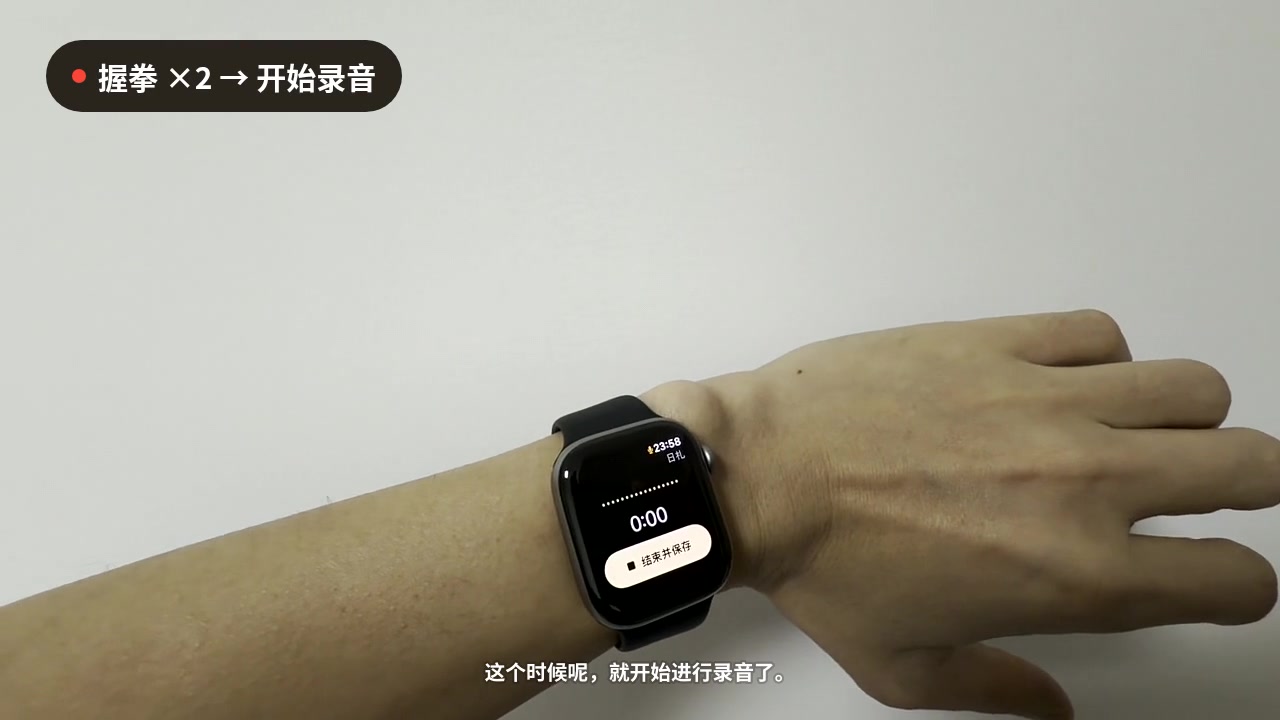
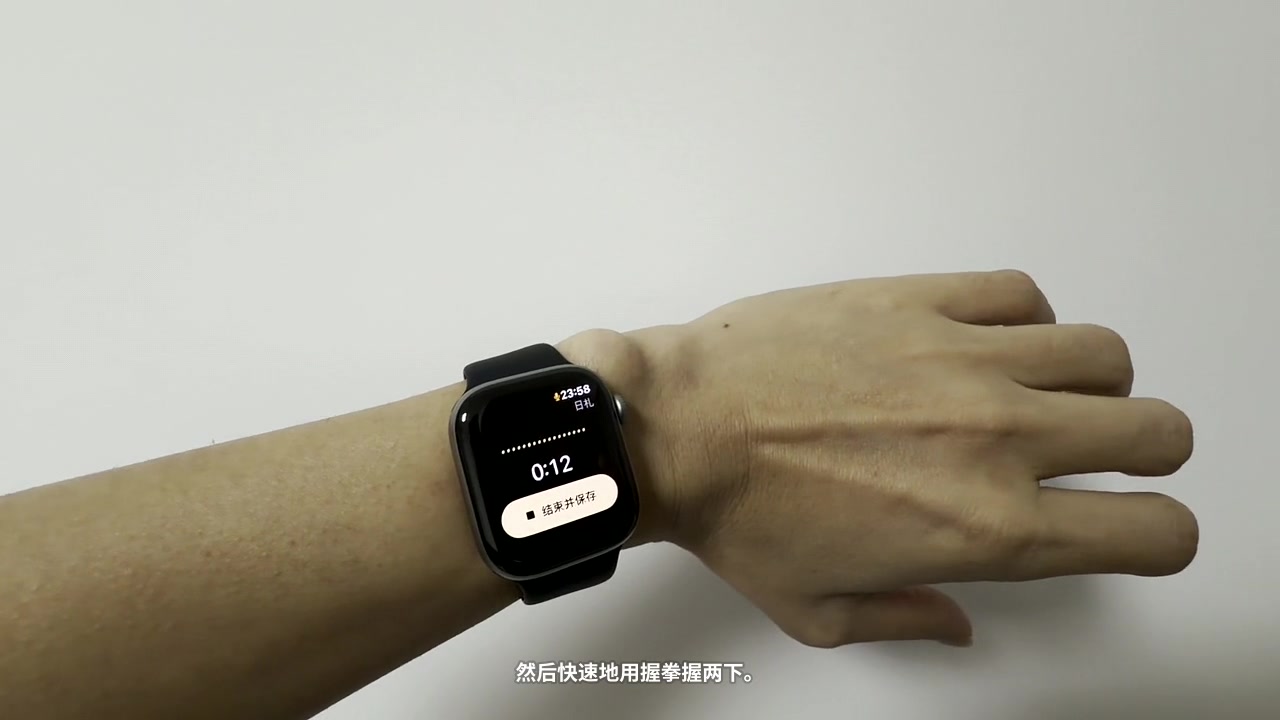
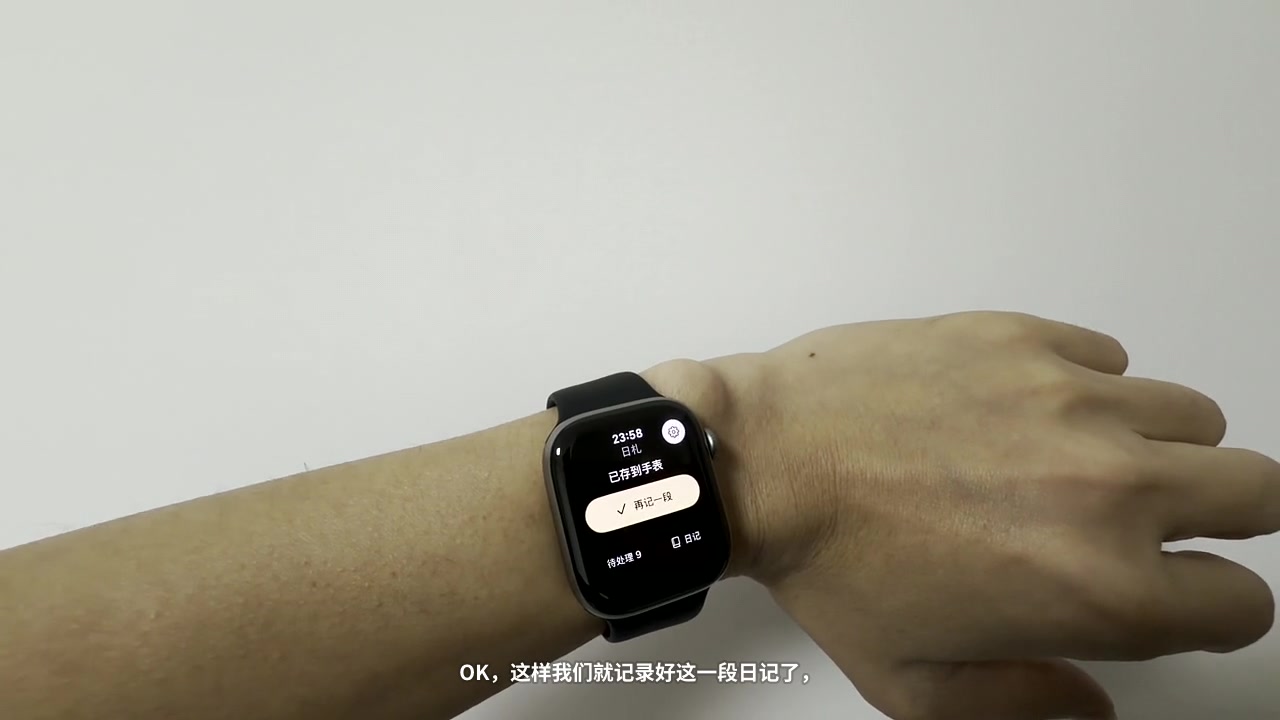
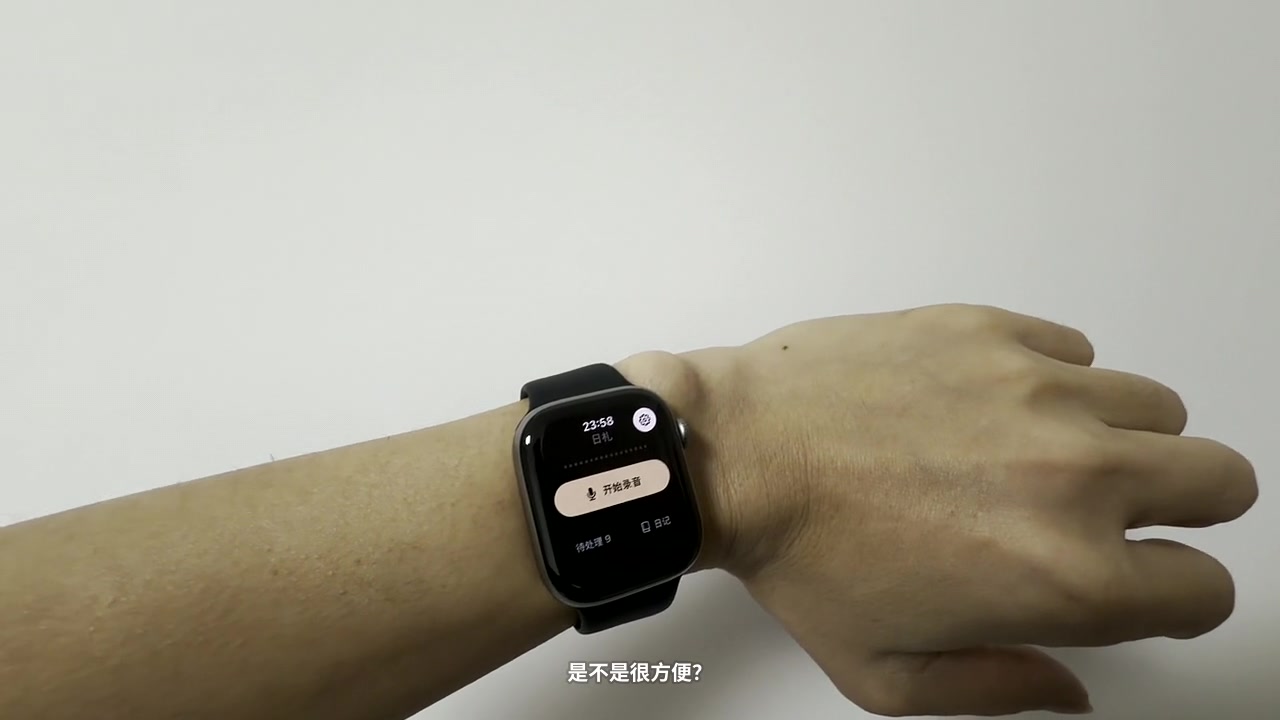
That’s closer to “on-body notes” for me: hands still busy walking or doing something else, and the words are already kept.
Let AI tidy the text — keep my voice
After speech becomes text, there may be typos, odd punctuation, or a long run-on. Typed notes have the same problems.
Next I want a local small model for light cleanup: fix typos, fix punctuation and paragraph breaks, and leave the rest alone.
A line like “I’m annoyed today and don’t want to do anything” can stay that way. It doesn’t need to become “Though tired, I still look forward to tomorrow’s sunshine.” The second line is brighter. It just isn’t me.
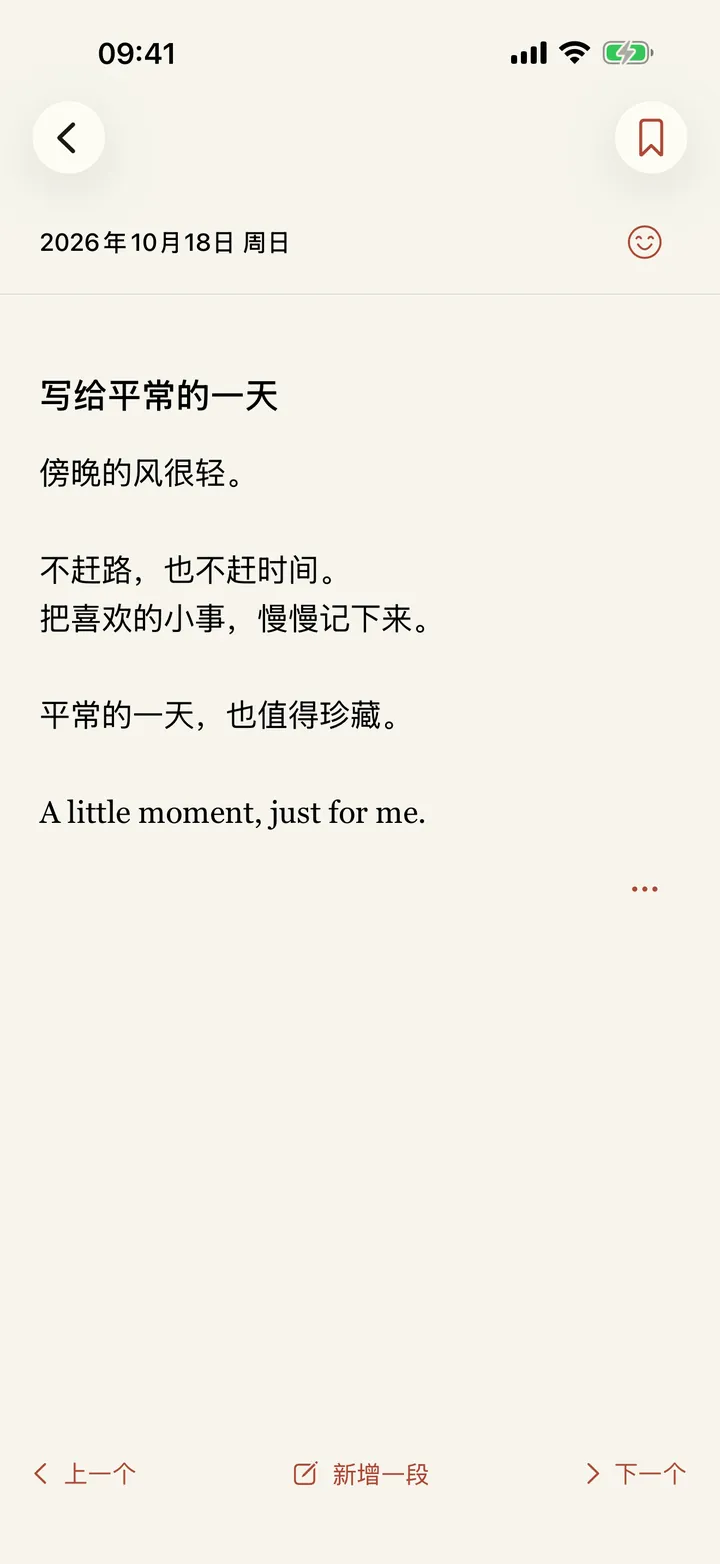
Daily notes don’t need to be pretty sentence by sentence. Looking back later, the offhand ones often bring the day back more clearly.
Summaries can be generated separately for a day or a week. The original stays. Summarize what’s there — don’t invent reasons, and don’t turn a good meal into a life lesson.
Why I want this on-device
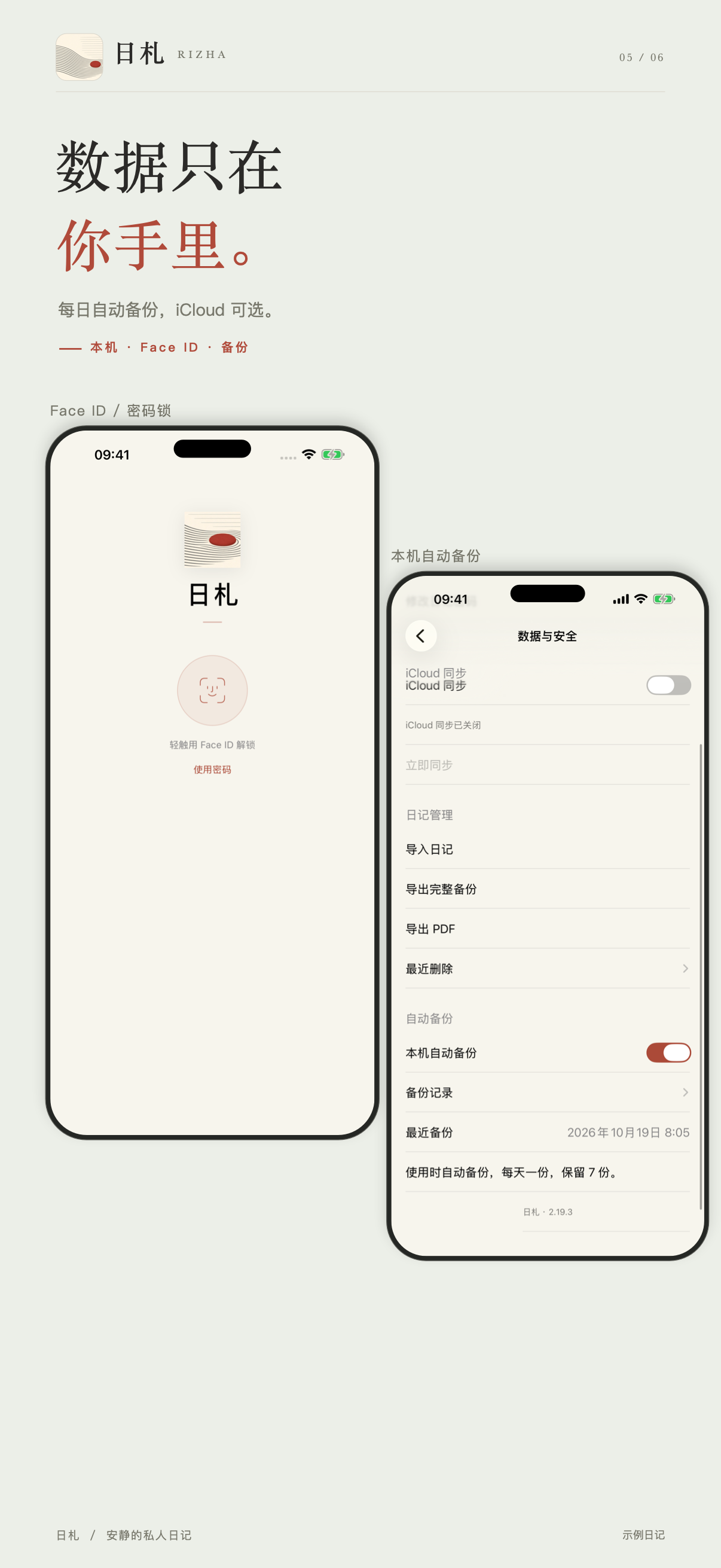
Daily notes include work, family, and things meant only for myself. I want speech-to-text, light cleanup, and summaries to stay on my own devices as much as possible.
People should know where the content lives, and choose whether to sync a backup with iCloud.
Local small-model cleanup and summaries are still to be finished. Models can be adapted over time. What I care about more is whether the flow is easy, and whether the cleaned text still sounds like me.
A small feature, done carefully
Talk about AI wearables is loud. What I took from it is simpler: start from one concrete daily need, and see if I keep using it.
For Rizha, that need is: raise the wrist, say it, tidy it locally, and find it later.
When building products, it’s easy to keep adding. The watch side reminded me to give people less friction, and to draw a clear line for AI.
Recording can be easier. Text can read cleaner. What’s left should still be the day I actually lived.
Rizha: rizha.getaiti.com · App Store
Author: getaiti.com
[1] OpenAI: A letter from Sam & Jony. Hardware/design partnership cited; the wearable-note discussion is the author’s product thinking.
Subscribe · EMAIL
Get the next essay by email
One original essay a week. Send a short note and you’ll be on the list — or follow the RSS feed if you’d rather not use email.
ONE ESSAY